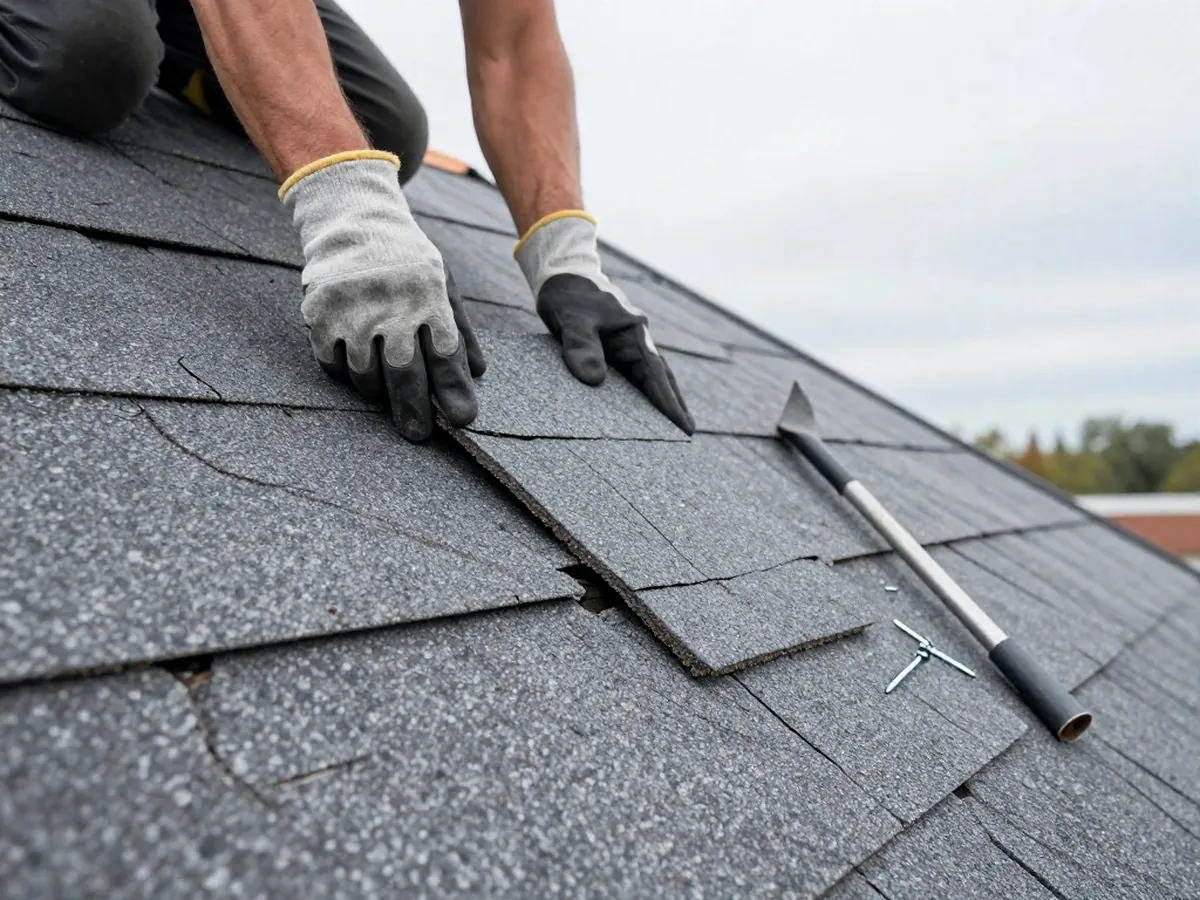
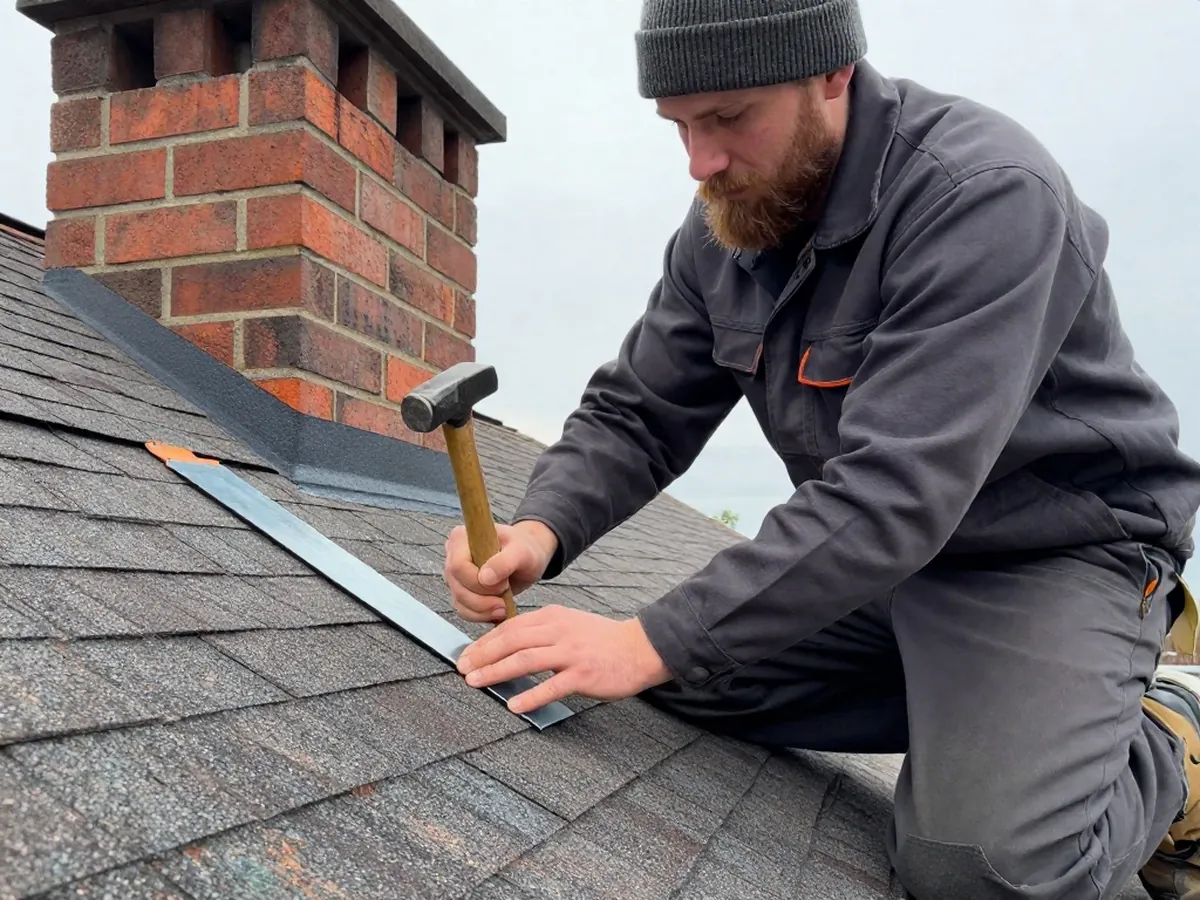
Six steps and what to skip at each
| Step | Do this | Skip this |
|---|---|---|
| Clear the room | Move people and valuables out from under the stain | Standing under a bulge, or touching switches in a wet room |
| Photograph | One wide, one close, each with the date | Throwing out damaged material first |
| Contain | Buckets, towels, plastic sheet on the floor | Climbing onto a wet roof for a tarp |
| Mark | Pencil line round the stain, dated | Poking the drywall to see how wet it is |
| Describe | Address, location, duration, roof age, number out of ten | Guessing at the cause on the phone |
| Keep | Receipts, photos and the written scope of work | Handing over the full price before work begins |
Step one: clear the room
If water comes through a light fixture or around an outlet, everyone leaves the room and 911 gets dialed from a dry floor elsewhere. FEMA's guidance for flooded homes tells people to check ceilings for sagging, because water can be trapped above them, and to stay clear of a ceiling that sags. It also cautions against touching switches while standing in water.
A ceiling that bulges is holding water. Keep people out from under it.
Step two: record before touching
New Jersey's insurance department asks people to photograph damaged property before disposing of any of it, to report the loss promptly and to save every receipt. Take one wide photo and one close, with the date, and a short video of the drip if it is still going.
Draw a pencil line around the stain and write the date beside it. In a day you will know whether it grew.
Step three: hold off the next rain
Temporary repairs are part of the insurance department's advice, and the receipts for them are worth keeping. Buckets, towels and a plastic sheet on the floor are the indoor version.
Outside, the asphalt roofing trade group's advice is to look from the ground or from upstairs windows. A wet roof is slippery, and NIOSH's ladder rules do not make it safe. A tarp belongs to someone with the gear.
Step four: roof water or pipe water
Water from the roof usually appears during a storm or soon after snow starts to melt. If a stain keeps spreading through dry days, suspect a pipe and phone a plumber. In winter a stain after a thaw may be an ice dam, where snow melts from the heat of the house and refreezes at the cold eave, as UMass explains.
A stain near an outside wall after a heavy rain can also be a gutter spilling. Rutgers gives the scale: a one-inch storm drops roughly 500 gallons on every 800 square feet of roof.
Step five: say it in numbers
Expect the roofer's questions: the street address, which room the stain is in, how long it has lasted, whether it comes back in one spot, and the roof's age when you have it. Add your number out of ten: 1 is a stain that stopped, 10 is water coming through a light.
Photos matter. Send them from the ground, taken before and after the next rain.
Step six: keep the paper trail
Anything over $500 belongs in a written contract with the work, the materials, the price and the dates. The Division of Consumer Affairs says a contractor's home improvement registration number is to be shown on its documents, and the Division runs a verification system you can search.
If the roof is part of an insurance claim, the contractor is your pick, not your insurer's.
Is the stain still growing?
Check the pencil line after the next rain. If it moved, roof repair and storm damage set out what the work looks like.
Dial (862) 972-4008 with the address, the photos and the date on the line.